1. Check the building
Inside a home or unit, the team looks through closets, cabinets, bathrooms and anything that could hold sharps.
McMillin, WA · Pierce County
Found a needle or syringe in McMillin? Stay back, keep children and pets away, and call (877) 812-4220. A cleanup team can search the area, collect every sharp and dispose of it safely.
If anyone is in danger, call 911 first. For a suicide crisis, call or text 988.
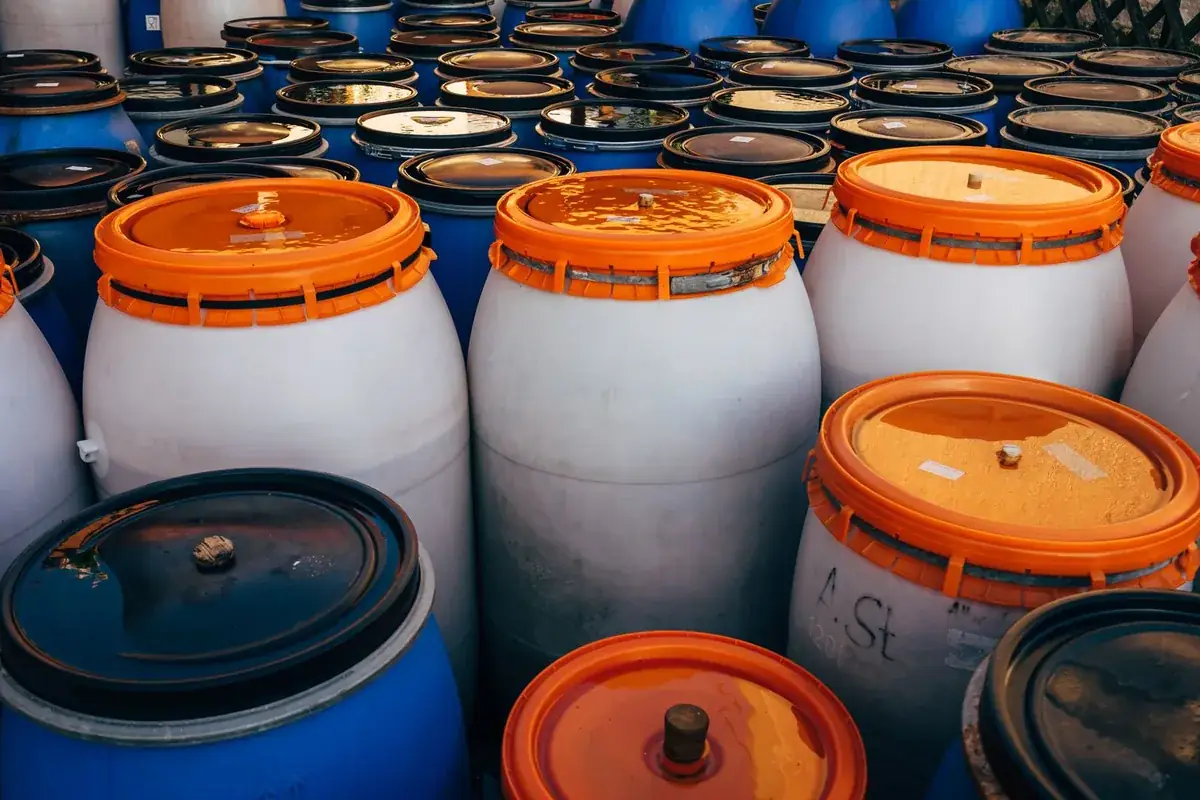
Needle and syringe pickup is a form of biohazard cleanup aimed at sharps. Protective equipment, special containers and proper disposal are part of every job.
If you find syringes while clearing a loved one's home in McMillin, you can call McMillin Biohazard Cleanup Help. Crews search drawers, bags and closets, and take care of the sharps so relatives in Pierce County never have to.
The vacancy rate in Pierce County is only about 5%, so most needle calls come from occupied homes, rentals, yards and businesses. A stick, cut or splash should be checked by a doctor without delay. Multicare Good Samaritan Hospital in Puyallup serves people in and around McMillin.
The work often covers:
Inside a home or unit, the team looks through closets, cabinets, bathrooms and anything that could hold sharps.
The whole property is searched, section by section, until the crew is confident every sharp is found.
Sharps are locked in secure containers marked for medical waste.
The crew removes the containers, double-checks the space and answers questions before leaving.
The cost of needle & sharps cleanup in McMillin, WA depends on the amount of material, how it is packed and how it is hauled.
Hidden spots slow the work. Cluttered rooms, dense brush and storage areas take longer to search than clear, open ground.
| Type of job | Typical range |
|---|
Published ranges only (); every needle & sharps cleanup job in McMillin is priced after an on-site look. Price drivers include number of items, where they are found, whether a sweep of a large area is needed, waste disposal. Questions? Call (877) 812-4220.
Safer options exist. Many cities and health departments have programs for found needles and may give instructions or send someone. If you are unsure, do not touch it. Leaving a needle in place and keeping others away is safer than risking a stick.
It is a rigid, puncture-resistant box with a locking lid, made to hold needles, syringes, lancets and blades. Cleanup teams use them to seal sharps for transport. Containers should not be overfilled or opened again once locked.
A used needle can carry bloodborne pathogens such as hepatitis B, hepatitis C and HIV. The chance of infection from one stick depends on many things, and a doctor can explain what applies. Get medical care promptly after any stick or cut.
The price depends on the size of the area, the number of sharps and access. A short sweep costs less than a full building. A cleanup team can give a real price after hearing the details, and it should explain what is included before work begins.
Wash the area with soap and water and get medical care right away. Call 911 in an emergency, or Poison Control with exposure questions. Tell the doctor what happened and where the needle was found, if you know. Do not wait to see whether symptoms appear.
No. Recapping or bending a used needle is one of the most common ways people get stuck. Leave it where it is and let a cleanup team lift it with a tool and place it in a container.
Describe what you saw and where, and the team will explain the next step.
Call (877) 812-4220